Monday, October 19, 2026
A Data Center Can Be Sold Without the Tenant Leaving
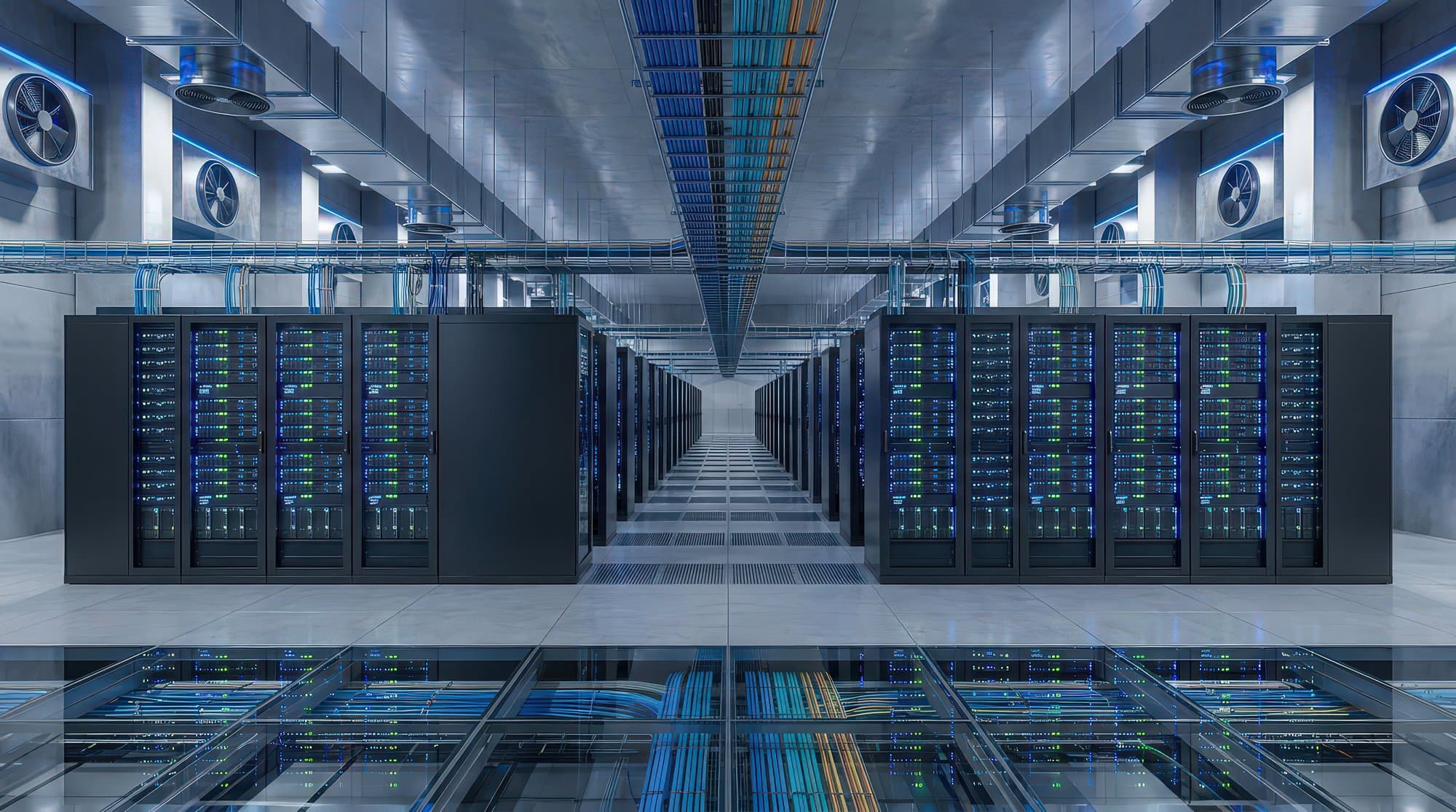
How the sale of an occupied data center property can create opportunities for buyers, sellers, and long-term real estate ownership.
A data center property can change ownership without changing the business operating inside it. While much of the industry’s attention is directed toward new campuses, land acquisitions, and development announcements, transactions involving existing, occupied facilities represent another important part of the data center real estate market. These properties offer buyers the opportunity to acquire an established real estate asset while allowing the current occupant to continue operating under an existing or newly negotiated lease.
The distinction matters because data center real estate is not always purchased for immediate redevelopment or owner occupancy. In certain transactions, the buyer’s objective is to acquire the property and its associated rental income rather than take possession of the facility for direct use. The operating business, meanwhile, can remain focused on serving its customers without necessarily owning the underlying real estate.
This creates an opportunity to examine data centers through a conventional commercial real estate lens, where ownership, occupancy, and operations can be separated. For property owners and buyers, understanding these arrangements can reveal transaction opportunities that differ substantially from vacant land purchases or speculative development projects.
The Property Changes Hands, but Operations Continue
An occupied data center sale generally involves transferring ownership of the real estate while preserving the tenant’s right to use the property under its lease. Depending on the transaction, the buyer may acquire a building already leased to an operating business or purchase a property through an arrangement in which the seller becomes a tenant after closing.
These transactions can allow the facility to continue operating without requiring the occupants to relocate or interrupt their business activities. The new owner assumes the responsibilities associated with the property, while the tenant remains responsible for its obligations under the lease. The precise allocation of responsibilities depends on the lease structure and the negotiated terms.
For data center real estate buyers, the attraction is the ability to acquire an existing property with an established use and potentially contracted rental income. For sellers, the transaction can provide liquidity while preserving access to the facility. The result is a real estate ownership change that does not necessarily alter the property’s immediate operational purpose.
Why Ownership and Operations Do Not Have to Be the Same
Data centers are highly specialized facilities, but the relationship between the building owner and the operating business can resemble arrangements found throughout commercial real estate. A company may operate a facility without owning the property, just as an industrial business may occupy a warehouse under a long-term lease.
Separating ownership from operations can serve different objectives for each party. The property owner may focus on the building, lease obligations, and long-term asset management, while the tenant concentrates on the activities conducted within the facility. This distinction can allow each party to allocate capital and management resources according to its priorities.
The arrangement also introduces considerations that are particularly important for data centers. The building’s specialized systems, maintenance requirements, access restrictions, and operational continuity must be addressed in the lease and transaction documents. Buyers therefore need to understand not only the property’s physical characteristics but also the contractual relationship governing its use.
The Lease Can Be as Important as the Building
When purchasing an occupied data center, the lease is a central component of the real estate transaction. Its remaining term, renewal options, rental adjustments, maintenance obligations, and provisions governing improvements can influence the property’s value and the buyer’s long-term ownership strategy.
A long-term lease may provide greater visibility into future occupancy, particularly when the tenant has invested substantially in specialized equipment and facility improvements. However, the existence of a lease does not eliminate the need to evaluate tenant credit, contractual obligations, and the condition of the property. The economic strength of the transaction depends on the relationship between the rental income, the tenant’s ability to meet its obligations, and the expenses retained by the landlord.
For sellers, lease structure can also influence marketability. Clear responsibility for building systems, capital expenditures, repairs, and operational improvements can make the property easier for prospective buyers to evaluate. Where obligations are ambiguous, buyers may need to account for additional uncertainty when determining the price they are prepared to offer.
Specialized Buildings Require Specialized Due Diligence
An occupied data center cannot be evaluated solely through the same criteria used for a conventional office or warehouse property. The facility may contain extensive electrical and mechanical systems, specialized cooling equipment, backup power arrangements, security installations, and tenant-owned improvements. Determining which components belong to the landlord and which belong to the tenant is an essential part of the acquisition process.
Buyers must also consider how the property’s physical condition relates to the obligations established in the lease. A tenant may be responsible for maintaining certain systems, while the landlord remains responsible for structural elements or other capital improvements. Understanding these responsibilities helps establish the financial requirements associated with ownership.
The property’s suitability for continued data center use is equally important. Building configuration, available utility service, access rights, and the condition of major systems can influence long-term functionality. Even when the buyer does not intend to operate the facility directly, these characteristics can affect the property’s competitiveness and future leasing prospects.
A Sale Can Create Liquidity Without Relocation
For an operating business that owns its data center property, a sale accompanied by a leaseback can provide access to capital while allowing operations to continue at the same location. Rather than selling the facility and moving elsewhere, the business transfers ownership and enters into a lease that preserves its occupancy.
The proceeds may be used for business priorities such as equipment upgrades, additional facilities, or other operational requirements. The transaction can also change the company’s financial obligations by replacing property ownership with a contractual lease commitment. Whether that structure is advantageous depends on the sale price, rental terms, financing alternatives, and the company’s long-term plans.
For the real estate buyer, the transaction can provide an opportunity to acquire a specialized property with an identified tenant at closing. Both parties benefit from clearly defining the lease terms, particularly where the facility requires ongoing investment in building systems and operational capabilities.
Existing Data Centers Offer a Different Acquisition Strategy
Buying an occupied facility is fundamentally different from purchasing land for future development. A land acquisition generally involves evaluating what can be constructed, while an occupied-property acquisition requires assessing an existing building, its contractual occupancy, and its potential performance under continued ownership.
This distinction can appeal to buyers seeking exposure to data center real estate through established properties rather than development projects. The acquisition may provide rental income from an existing tenant, although the buyer must still evaluate lease duration, building condition, future capital requirements, and the possibility of vacancy.
For sellers, the presence of an established tenant can introduce a different buyer audience. The property may attract purchasers interested in long-term ownership rather than operators seeking space for their own equipment. This can expand the range of potential transaction structures available to owners of specialized facilities.
The Future of the Property Still Matters
Even when a data center is sold with a long-term tenant in place, buyers must consider what happens beyond the existing lease. Renewal options, tenant improvements, building adaptability, and potential alternative uses can all influence the property’s long-term ownership value.
A facility designed around one tenant’s technical requirements may require significant modifications to accommodate a different occupant. Buyers should therefore understand how much of the building’s functionality is tied to the current tenant and whether the property could support another data center user if the lease eventually expires.
The property’s location and underlying real estate characteristics also remain relevant. Access, surrounding land uses, utility availability, and the potential for future improvements can affect the range of options available to an owner. These considerations help distinguish the value of the current lease from the value of the property over a longer ownership period.
Why Occupied Facilities Deserve Attention
The data center real estate market is not limited to properties being acquired for new construction or immediate operational use. Existing facilities can also be bought and sold as occupied commercial real estate assets, allowing ownership to change while the underlying business continues operating.
These transactions create opportunities for owners seeking liquidity, businesses that prefer leasing to property ownership, and buyers interested in acquiring specialized real estate with established occupancy. Their success depends on careful evaluation of the lease, the tenant, the building, and the responsibilities associated with long-term ownership.
As the data center property market develops, understanding the distinction between owning a facility and operating one can help buyers and sellers identify a broader range of transaction opportunities. In some cases, the most important change to a data center property is not what gets built or who occupies it, but who owns the real estate.