Wednesday, March 4, 2026
Colocation Providers Are Expanding Network Capabilities to Stay Competitive
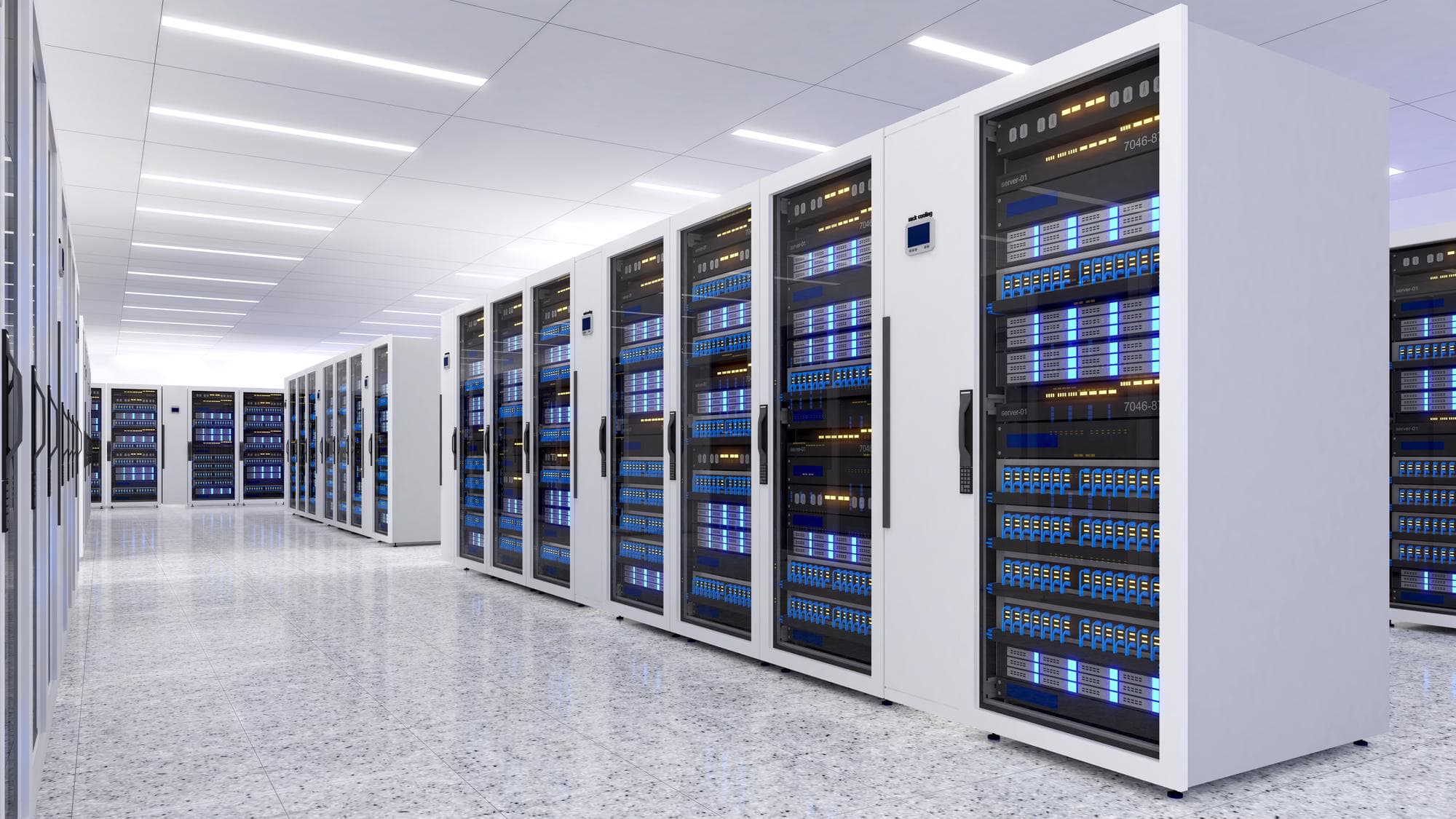
Colocation was once defined primarily by space and power. Network connectivity was important, but largely assumed—an expected feature rather than a competitive differentiator. That assumption no longer holds.
As AI workloads, distributed cloud architectures, and regional capacity constraints reshape demand, network capability has moved to the center of colocation strategy. Providers are no longer competing solely on megawatts and square footage. They are competing on how effectively their facilities function as network nodes within increasingly complex infrastructure ecosystems.
For data center real estate, this shift elevates network investment from an operational consideration to a core value driver.
Network Density Is Becoming a Deciding Factor
Modern workloads rely on constant data movement between clouds, regions, and edge locations. AI pipelines, in particular, generate large, continuous data flows that must move with low latency and high reliability.
Facilities with dense carrier presence and rich interconnection options offer clear advantages. They reduce transit costs, improve performance, and simplify architecture. As a result, network density is increasingly influencing site selection decisions.
Colocation providers that fail to expand network capabilities risk being bypassed, regardless of power availability.
Interconnection Is Moving From Optional to Essential
Interconnection once served specialized use cases—financial trading, content delivery, or latency-sensitive applications. Today, it underpins mainstream cloud and AI operations.
Direct connections between cloud platforms, enterprise environments, and regional facilities reduce dependence on public internet routes. This improves security, performance, and predictability.
Colocation providers are responding by expanding meet-me rooms, adding cross-connect capacity, and facilitating private network ecosystems. These investments enhance asset relevance and tenant stickiness.
Power Constraints Increase the Value of Network Reach
As power constraints limit where compute can be deployed, network reach becomes a substitute for proximity. Workloads can be distributed geographically if network performance remains strong.
Facilities that combine available power with superior connectivity become strategic bridges between constrained core markets and emerging regions. This positioning allows colocation providers to capture demand displaced by power shortages elsewhere.
In this context, network capability amplifies the value of real estate assets beyond their immediate location.
Network Investment Changes Campus Economics
Expanding network capabilities is not just about adding carriers. It influences campus design and economics. Fiber routes, conduit capacity, and physical space for interconnection infrastructure must be planned and funded.
These investments increase upfront costs but create long-term competitive moats. Once a facility becomes a network hub, replicating that ecosystem elsewhere is difficult.
For investors, network-rich assets offer resilience. Demand may fluctuate, but connectivity anchors long-term relevance.
Providers Are Moving Up the Stack
By expanding network capabilities, colocation providers are moving up the infrastructure stack. They are no longer passive landlords. They actively shape how data moves between systems.
This shift aligns colocation more closely with platform infrastructure rather than commodity real estate. Providers offer value through ecosystem enablement, not just physical capacity.
For DCRE strategy, this blurs traditional boundaries between real estate and infrastructure services.
Regional Markets Benefit Disproportionately
Network expansion has particular impact in regional and secondary markets. In these locations, enhanced connectivity can offset perceived disadvantages relative to core hubs.
By investing in network ecosystems, colocation providers elevate the strategic importance of their markets. Tenants gain confidence that workloads can integrate seamlessly into broader architectures.
This dynamic supports geographic diversification of demand.
Network Capability Influences Lease Structure
As network becomes central, lease discussions increasingly include interconnection rights, cross-connect pricing, and ecosystem access. These factors influence tenant commitment and renewal behavior.
Facilities that enable rich network interactions foster longer-term relationships, even as power and space needs evolve.
Connectivity Is Becoming Real Estate Leverage
The expansion of network capabilities reflects a broader shift in how colocation competes. Space and power remain necessary, but they are no longer sufficient.
Connectivity is now real estate leverage. It determines how valuable a facility is within a distributed infrastructure landscape.
Colocation providers that recognize this are transforming their assets from capacity providers into infrastructure hubs. Those that do not risk becoming interchangeable—and ultimately expendable—in a market where differentiation matters more than ever.