Friday, October 9, 2026
Data Center Demand Is Changing the Value of Neighboring Properties
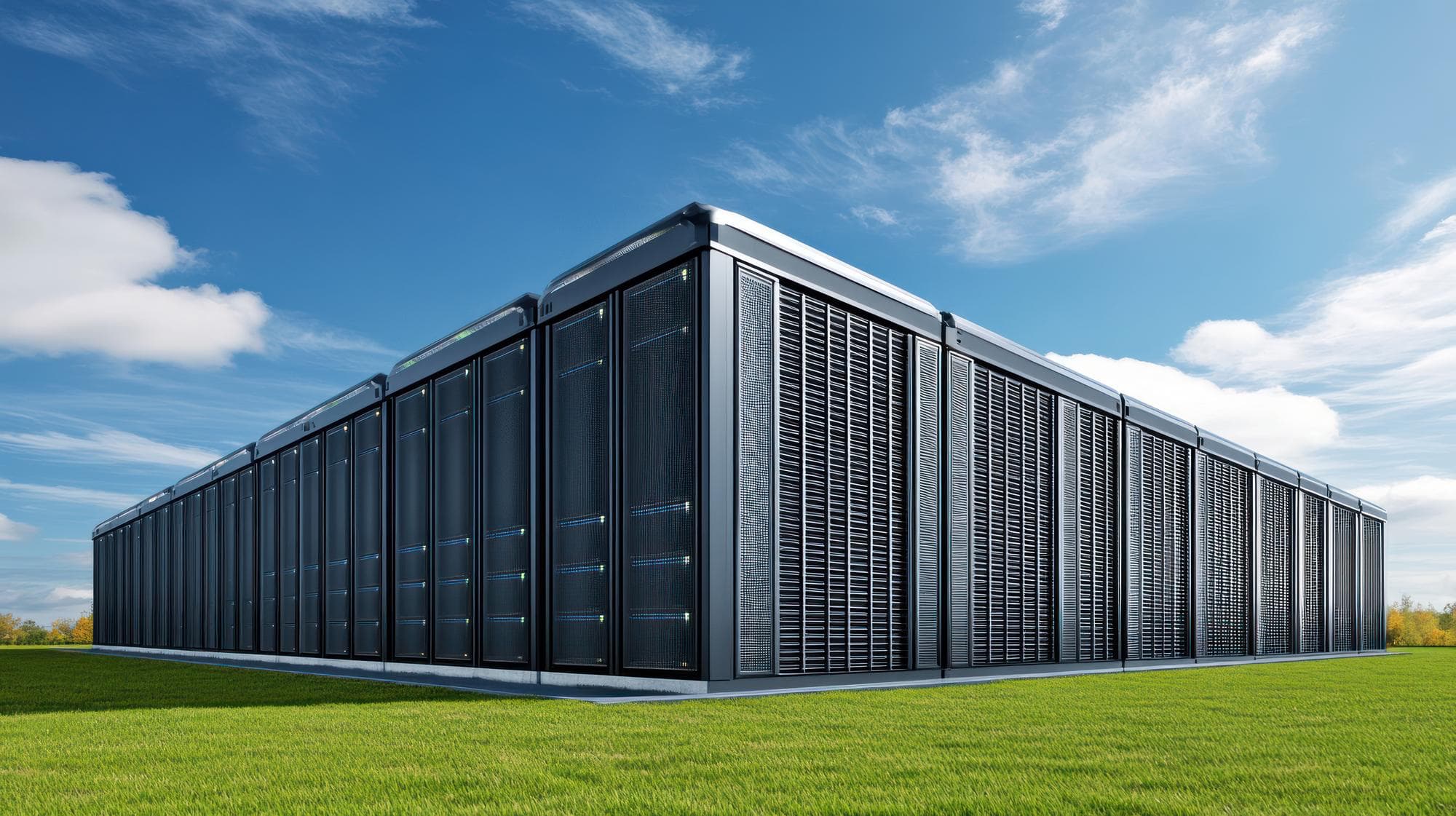
How large-scale data center development is creating new opportunities for surrounding commercial real estate markets.
The impact of a major data center development can extend well beyond the boundaries of the property where the campus is built. While much of the industry's attention focuses on land acquisitions, campus construction, and infrastructure requirements, the surrounding commercial real estate market can experience its own changes as development activity increases. Properties that were previously evaluated according to conventional industrial or commercial demand may begin attracting interest from businesses seeking proximity to a growing data center cluster.
This shift is particularly relevant as data center projects expand into markets where the surrounding commercial property inventory was not originally developed to support large-scale technology campuses. Construction contractors, equipment suppliers, logistics providers, maintenance businesses, and other service organizations may require space near these projects. Their presence can introduce new sources of demand for industrial buildings, outdoor storage yards, flex properties, and other commercial real estate.
For property owners and real estate professionals, the opportunity is not limited to acquiring land suitable for data center construction. It also involves understanding how the arrival of a major campus can influence nearby property uses, leasing activity, and long-term development potential. As data center markets expand, the commercial real estate surrounding these facilities may become an increasingly important part of the broader development landscape.
Data Center Development Creates Demand Beyond the Campus
Large data center projects involve a substantial network of businesses and specialized services that support development and operations. During construction, projects may require contractors, equipment staging areas, material storage, transportation services, and temporary operational facilities. Once the campus becomes operational, maintenance providers, technical service companies, security contractors, and other supporting businesses may continue to require access to the surrounding market.
These requirements do not always need to be accommodated within the data center property itself. In many cases, nearby commercial and industrial properties can provide suitable space for activities that benefit from proximity without needing to occupy land reserved for the primary campus. This creates a potential connection between data center development and demand for conventional commercial real estate.
The resulting opportunity can be especially relevant in markets where a major campus introduces a new category of industrial activity. Existing properties may become attractive to users whose location decisions are influenced by the project, while undeveloped commercial parcels may receive additional consideration for supporting uses. The extent of this demand depends on the scale of the development, its construction schedule, and the services that can be supplied locally.
The Surrounding Industrial Market Can Gain New Relevance
Industrial real estate is one of the property categories most likely to experience demand associated with large data center developments. Warehouses, flex industrial buildings, contractor yards, and distribution facilities can support the movement, storage, and management of equipment required during construction and ongoing operations. Properties with appropriate access, loading capabilities, outdoor storage permissions, and flexible configurations may be particularly relevant.
The nature of this demand differs from the requirements of a data center operator. A supporting business may not need the electrical capacity, network connectivity, or specialized building systems required by the campus itself. Instead, its primary considerations may involve proximity, transportation efficiency, storage capacity, and the ability to respond quickly to project requirements.
This distinction can expand the range of properties that benefit from data center-related activity. A conventional industrial building that would never qualify as a data center site may still be well positioned to accommodate a business serving the industry. For owners and leasing professionals, recognizing that difference can create opportunities without requiring the property to undergo a fundamental change in use.
Construction Activity Can Introduce a New Leasing Market
The development phase of a large data center campus can generate demand for commercial space before the first building becomes operational. Major projects often require extensive site preparation, construction management, specialized equipment installation, and coordination among multiple contractors. These activities can create temporary or multiyear requirements for nearby facilities.
Contractors may seek space for equipment storage, project offices, fabrication activities, material handling, and vehicle staging. Properties with convenient highway access and sufficient outdoor space can become attractive when they allow businesses to operate close to an active construction site. In markets with limited suitable inventory, these requirements may introduce competition for property types that previously served a different mix of tenants.
However, construction-related demand needs to be distinguished from long-term occupancy. Some requirements may end when the project reaches completion, while others can continue through subsequent phases of campus expansion. Property owners evaluating leasing opportunities should consider the expected duration of the project and the tenant's role within the broader development schedule.
Proximity Can Become a Commercial Real Estate Advantage
Location has always been a central factor in commercial real estate, but the arrival of a large data center campus can introduce new considerations into how nearby properties are evaluated. For businesses providing time-sensitive services, shorter travel distances can improve operational efficiency and reduce the logistical complexity of supporting a major customer or construction project.
This can make certain properties more attractive because of their position relative to the campus rather than their proximity to traditional commercial centers. A small industrial facility near a data center development may offer practical advantages to a specialized contractor, while a property farther away may remain better suited to conventional distribution or manufacturing users.
The effect is highly dependent on the nature of the supporting business. Some services can be delivered efficiently from regional facilities, while others benefit from a local presence. As a result, proximity should be evaluated as a potential advantage rather than an automatic source of higher property value.
A Major Campus Can Expand the Local Buyer and Tenant Pool
One of the most meaningful implications for commercial real estate is the possibility of introducing new categories of buyers and tenants into a market. Before a major data center project is announced, demand for local industrial properties may come primarily from manufacturers, distributors, construction businesses, and regional service providers. Data center development can add businesses with specialized requirements that were not previously represented in the local market.
These users may seek different property characteristics from traditional industrial tenants. Some may require flexible warehouse space with secure storage, while others may prioritize outdoor equipment areas, loading access, or the ability to expand operations as construction activity increases. Properties capable of accommodating these requirements can become relevant to a broader range of potential occupants.
For sellers, this may create an opportunity to reposition how a property is presented to the market. For landlords, it can provide another source of leasing demand. The important consideration is identifying whether the property genuinely meets the requirements of businesses supporting data center development rather than assuming that proximity alone will generate interest.
Supporting Businesses Can Create Longer-Term Commercial Demand
Although construction activity is an important initial driver, the commercial real estate effects of data center development do not necessarily end when a campus becomes operational. Large facilities require ongoing maintenance, equipment servicing, security, building systems support, and periodic upgrades. Some of these functions are performed directly within the campus, while others may involve external businesses operating from nearby commercial properties.
As a market develops multiple campuses, the concentration of facilities can make a permanent local presence more practical for certain service providers. A business that initially supported one construction project may eventually serve several operational facilities in the same region. That can create a stronger rationale for establishing a warehouse, service center, or regional office nearby.
This distinction is important when evaluating the durability of real estate demand. A single project may generate substantial short-term activity, but a broader concentration of operating data centers can support a more diverse and recurring service economy. Markets with sustained development activity may therefore offer different leasing prospects from locations experiencing only one isolated construction cycle.
Established Commercial Properties May Offer Immediate Advantages
Not every supporting business will want to construct a new facility. Existing industrial and commercial properties can provide an efficient way to establish operations near a developing data center market, particularly when a business needs space within a relatively short timeframe. Buildings with functional layouts, suitable access, and available occupancy can offer advantages over properties requiring extensive new development.
This can create opportunities for owners of conventional warehouses, flex industrial facilities, and service-oriented commercial buildings. Properties that can accommodate equipment storage, maintenance activities, project administration, or regional operations may appeal to businesses entering the market to support data center activity.
The opportunity is strongest when the property's existing characteristics align with the tenant's requirements. Appropriate zoning, loading facilities, outdoor storage permissions, parking, access, and lease flexibility can all influence suitability. In many cases, these practical characteristics may matter more to a supporting business than proximity to the data center alone.
Data Center Growth Can Influence Commercial Land Strategy
The effects of data center development can also extend to undeveloped commercial and industrial land. Parcels near a major campus may become relevant for supporting facilities, contractor operations, logistics uses, or other complementary development. This can introduce additional considerations into the highest-and-best-use analysis of properties surrounding a growing data center market.
For landowners, the opportunity may involve evaluating uses that were not previously part of the property's development strategy. A parcel that was originally marketed for general industrial purposes may become relevant to businesses seeking a location near a data center construction corridor. Depending on zoning and site characteristics, the land could support a range of commercial activities without being developed as a data center.
The relationship between campus development and surrounding land values is not uniform. Some properties may gain strategic relevance, while others may experience little change in demand. Understanding the specific requirements of potential users remains essential when determining whether data center activity creates a meaningful opportunity.
Multiple Developments Can Strengthen the Surrounding Market
The commercial real estate effects of data center development may become more significant when several projects are concentrated within the same region. A single campus can create demand for construction-related services, but a growing cluster can support a wider network of businesses that serve multiple customers over time. This concentration can make the local market more attractive to specialized contractors, equipment providers, and other commercial users.
For supporting businesses, a cluster of facilities can offer greater continuity than a single development project. The ability to serve several campuses may justify a permanent regional operation, creating potential demand for longer-term industrial leases and commercial facilities. Over time, that can contribute to a more established service ecosystem around the data center market.
For real estate professionals, the distinction between an individual project and an emerging cluster is important. A market with several developments at different stages may generate a more consistent range of property requirements than one dependent on a single construction schedule. Evaluating the broader development pipeline can therefore provide useful context when assessing potential demand for surrounding commercial properties.
Property Owners Should Evaluate the Opportunity Strategically
The presence of a data center project does not automatically make every nearby property more valuable. The commercial opportunity depends on factors such as the type of development, the scale of construction activity, the concentration of supporting businesses, available industrial inventory, and the characteristics of individual properties. Local zoning and permitted uses can also determine which activities can realistically be accommodated.
Owners considering a sale or lease should begin by understanding how their property might serve businesses associated with the data center market. This requires examining practical characteristics such as transportation access, building configuration, loading facilities, outdoor storage capacity, security requirements, and flexibility for future expansion. Properties that satisfy these requirements may have a stronger connection to actual tenant demand than those marketed solely on geographic proximity.
The most effective approach is to treat data center-related demand as an additional market opportunity supported by evidence. Property positioning should reflect identifiable user requirements, active development schedules, and the competitive inventory available nearby. This creates a more credible basis for leasing and sales decisions than assuming that all surrounding real estate will benefit equally.
Leasing Strategies May Need to Reflect Different Development Timelines
Data center-related tenants can have different occupancy requirements depending on whether they are supporting construction, commissioning, maintenance, or long-term operations. A contractor working on a defined development phase may prefer a shorter lease with flexibility to expand or relocate, while a service provider establishing a regional operation may seek a longer commitment.
For landlords, understanding these differences can influence lease structure, property improvements, and tenant selection. Short-term demand may create opportunities for temporary occupancy or flexible industrial arrangements, but it should be evaluated against vacancy risk and the costs associated with preparing a property for specialized use. Longer-term tenants may provide greater stability, although their space requirements may differ from those of construction-focused businesses.
This reinforces the importance of understanding the tenant's connection to the data center market. A lease supported by an individual construction contract has a different risk profile from one supported by ongoing services across several operating campuses. Recognizing those distinctions can help property owners align leasing decisions with the expected duration and quality of demand.
Real Estate Value Can Emerge Outside the Primary Development Site
The broader significance of this trend is that data center development can influence property demand beyond the land directly occupied by the campus. While the primary development requires specialized real estate, many businesses supporting the project operate within conventional commercial property categories. This creates an opportunity for existing industrial and commercial assets to participate in the growth of the sector without undergoing conversion into data center facilities.
For property owners, this broadens the potential relevance of data center market activity. A warehouse, contractor yard, flex industrial building, or commercially zoned parcel may have a role within the surrounding service economy. Its value proposition depends on the specific needs of prospective occupants and the degree to which the property can accommodate those needs.
For buyers and developers, understanding the surrounding property market can also provide insight into the maturity of a data center location. Access to suitable commercial facilities can support construction logistics and ongoing service requirements, while a growing network of nearby businesses may contribute to the market's long-term operating environment.
The Surrounding Market Deserves Greater Attention
Data center real estate analysis often concentrates on the characteristics of the primary development site. Acreage, infrastructure, zoning, utility access, and development timelines remain central to evaluating the campus itself. However, the surrounding commercial property market can also provide valuable information about how a location is evolving.
The presence of industrial inventory, available commercial land, transportation corridors, and facilities capable of supporting specialized service businesses can influence how easily a market accommodates large-scale development. As additional campuses are planned and constructed, demand for these supporting properties may change, creating opportunities that are distinct from the primary data center transaction.
This suggests that data center real estate professionals should look beyond individual campus boundaries when evaluating emerging markets. Understanding the surrounding property ecosystem can reveal potential leasing opportunities, new buyer categories, and changes in commercial land demand that may otherwise receive limited attention.
Data Center Growth Is Expanding the Real Estate Opportunity
Large-scale data center development can create commercial real estate opportunities that extend beyond the primary campus. Construction activity, ongoing operations, specialized services, and the emergence of regional data center clusters can introduce new demand for warehouses, flex industrial buildings, contractor yards, and other commercial properties. These uses may not require the specialized characteristics of a data center site, but they can benefit from proximity to the industry.
For property owners, this creates another perspective from which to evaluate existing assets and future disposition strategies. Properties with appropriate access, zoning, configuration, and flexibility may appeal to businesses entering or expanding within a data center market. The opportunity is particularly relevant where sustained development activity supports a growing network of commercial users rather than a single temporary construction requirement.
The potential impact on surrounding property values will vary by market and asset type, making disciplined evaluation essential. Nevertheless, the broader real estate implication is significant: the economic footprint of a data center development can be larger than the land it occupies. As the industry continues to expand into new regions, identifying opportunities in the commercial property market surrounding these projects may become an increasingly valuable part of data center real estate strategy.