Thursday, September 18, 2025
From Farmland to Fiber: How Rural America Became Prime Colo Real Estate
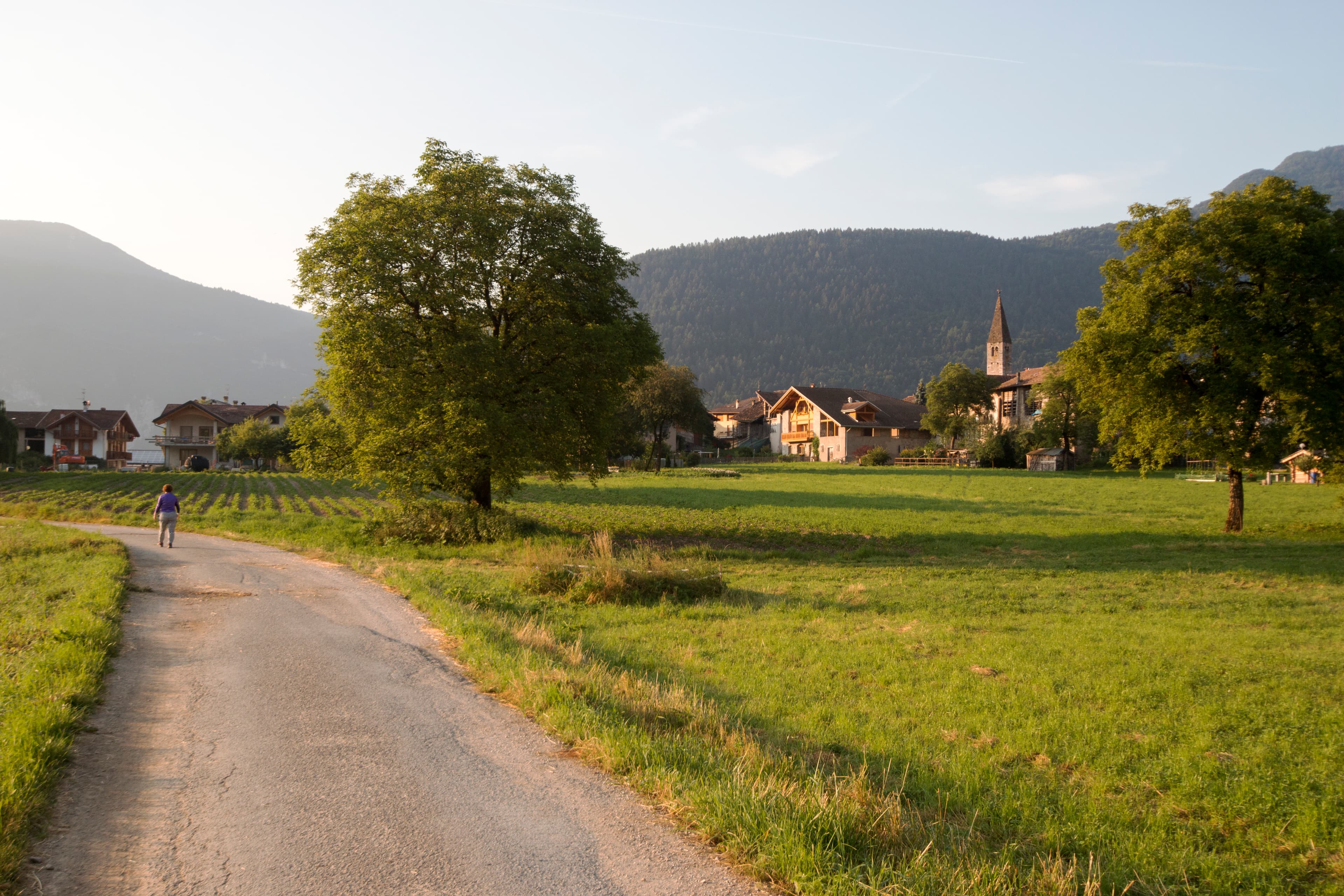
The Unexpected Evolution of Rural Land
For decades, rural America was defined by agriculture, forestry, and resource-based economies. Vast tracts of farmland supplied food and energy to the nation, while urban centers captured the economic benefits of technology and services. Data centers were no exception—concentrated in metro hubs like Northern Virginia, Silicon Valley, and Dallas–Fort Worth.
By 2025, that geography is shifting. Rural America has emerged as a hotbed for colocation real estate, with investors, hyperscalers, and enterprises targeting regions once overlooked in favor of urban density. What began as experimental deployments in low-cost markets has matured into a deliberate strategy: leveraging rural land, power availability, and fiber connectivity to build the next wave of data center campuses.
The story is not about farmland disappearing—it’s about farmland evolving into the foundation of the digital economy. Just as railroads once transformed rural landscapes into industrial hubs, the fiber networks of today are turning forgotten regions into prime colocation destinations.
Why Rural America Is Attracting Colocation Development
Abundant and Affordable Land
One of the greatest challenges in traditional data center hubs is land scarcity. In markets like Ashburn, Silicon Valley, and Chicago, parcels suitable for large-scale data centers sell for millions of dollars per acre. Rural America offers a stark contrast: vast tracts of affordable land, often costing a fraction of urban prices.
This affordability allows for mega-campus development on hundreds of acres—something nearly impossible in dense metros. Developers can plan multi-phase projects that expand over decades without worrying about immediate land constraints.
Power Availability
Rural regions often sit adjacent to utility-scale energy infrastructure: coal plants, natural gas facilities, hydro dams, or sprawling wind and solar farms. As traditional industries close or modernize, this stranded or underutilized power capacity becomes available. For colocation providers, the ability to secure long-term power commitments at competitive rates makes rural sites especially attractive.
Some rural markets also offer renewable energy integration at scale, aligning with ESG commitments. Hyperscalers and colocation providers are increasingly targeting rural areas where wind and solar power are abundant and affordable.
Fiber and Network Expansion
Historically, the lack of fiber connectivity kept rural regions out of the data center conversation. That is changing rapidly. Federal and state investments in broadband expansion—including the U.S. government’s BEAD (Broadband Equity, Access, and Deployment) program—are laying the foundation for carrier-neutral interconnection in rural zones.
As long-haul fiber routes expand across the country, rural areas are becoming more accessible to enterprises that need low-latency backbones linking them to metro hubs. This convergence of land, power, and fiber has unlocked rural America as a colocation real estate frontier.
Case Studies: Rural Markets Becoming Colo Hotspots
Iowa: Cornfields to Cloud Clusters
Iowa, once synonymous with corn and soybeans, has become a magnet for hyperscale and colocation deployments. Its advantages include:
- Abundant renewable energy, particularly wind, which accounts for over 60% of Iowa’s electricity generation.
- Central U.S. location, offering low-latency routes to both coasts.
- Affordable land, enabling hyperscale campuses spanning hundreds of acres.
Google, Meta, and Microsoft have all invested in Iowa, transforming farmland into high-density compute campuses. Colocation providers are now following this trend, building adjacent to hyperscalers to capture enterprise demand.
Nebraska: Fiber and Power Convergence
Nebraska’s wide-open spaces and strong utility infrastructure have made it an emerging colocation destination. Omaha and Lincoln serve as fiber aggregation points, while rural counties offer cheap land and access to hydro and wind power.
Hyperscale investment has driven supporting ecosystems, with wholesale colocation providers targeting rural Nebraska sites as alternatives to saturated Midwestern metros like Chicago.
Oregon: Hydro-Powered Hillsboro Expansion
While Hillsboro near Portland has become well-known, much of Oregon’s rural appeal lies in hydropower along the Columbia River corridor. These regions combine low-cost renewable energy with affordable land, allowing providers to market green, high-capacity campuses to sustainability-conscious enterprises.
Farmland along this corridor has become a focal point for renewable-powered colocation, demonstrating how rural assets can be repurposed for digital infrastructure.
Economic Impacts on Rural Communities
Job Creation and Tax Base Growth
Colocation facilities are not as labor-intensive as factories, but they generate construction jobs, technical positions, and local contracting opportunities. Just as important, they expand the tax base for rural counties, funding schools, infrastructure, and public services.
In many communities, data centers are replacing lost manufacturing jobs with long-term digital infrastructure investments. While not a one-for-one replacement, the multiplier effects on local economies are significant.
Partnerships with Local Utilities
Rural utilities, often cooperative in structure, welcome the stability of large colocation customers. By committing to long-term power purchase agreements, data centers help stabilize rates for local residents while incentivizing new renewable projects.
Rebranding Communities
Communities once branded as agricultural or industrial are now repositioning themselves as digital hubs. Economic development agencies in rural areas are actively marketing land and power assets to colocation providers, reframing their towns as 21st-century infrastructure partners.
Challenges of Rural Colocation Development
Workforce Availability
Unlike urban centers, rural communities may lack a large pool of skilled IT and engineering professionals. Providers often need to invest in training programs or partner with local colleges to build the talent pipeline.
Community Concerns
Not all residents welcome colocation facilities. Concerns include:
- Visual impacts of large-scale campuses on rural landscapes.
- Water use, especially for cooling in drought-prone areas.
- Noise pollution from HVAC systems.
Engaging communities early and transparently is critical to building trust and mitigating pushback.
Connectivity Gaps
While fiber expansion is accelerating, not all rural regions are ready for large-scale colocation. Providers must carefully assess whether existing fiber routes and carrier diversity can support enterprise-grade interconnection before committing.
Why Rural America Is Essential for the Colo Future
Relieving Pressure on Saturated Metros
Ashburn, Silicon Valley, and Chicago face power moratoriums and land constraints. Rural regions provide the necessary relief valve, enabling continued digital growth without overloading constrained metros.
Sustainability Alignment
Enterprises with ESG mandates increasingly prioritize renewable-powered colocation. Rural markets, rich in wind, solar, and hydro, offer the ability to build green campuses at scale—a critical differentiator for both enterprises and hyperscalers.
AI and HPC Growth
AI and HPC workloads demand 80–100 kW racks and massive power commitments. Rural markets are among the few places where such densities can be accommodated without overwhelming utilities. Bare metal and wholesale colocation deployments in rural zones will anchor the AI economy of the next decade.
Strategic Role of Rural Colo in 2025 and Beyond
The transformation of farmland into fiber-connected campuses is more than a real estate story—it’s a national infrastructure strategy. Rural America is becoming the foundation of the digital economy, providing the land, power, and sustainability required for growth.
Enterprises and colocation providers that invest early in rural markets will not only secure capacity but also build goodwill with communities eager for revitalization. In many ways, rural America is the new frontier of colocation, proving that the digital future will not be confined to coastal hubs but distributed across the heartland.