Tuesday, October 7, 2025
From Office Parks to Cloud Parks: The New Wave of Data Center Conversions
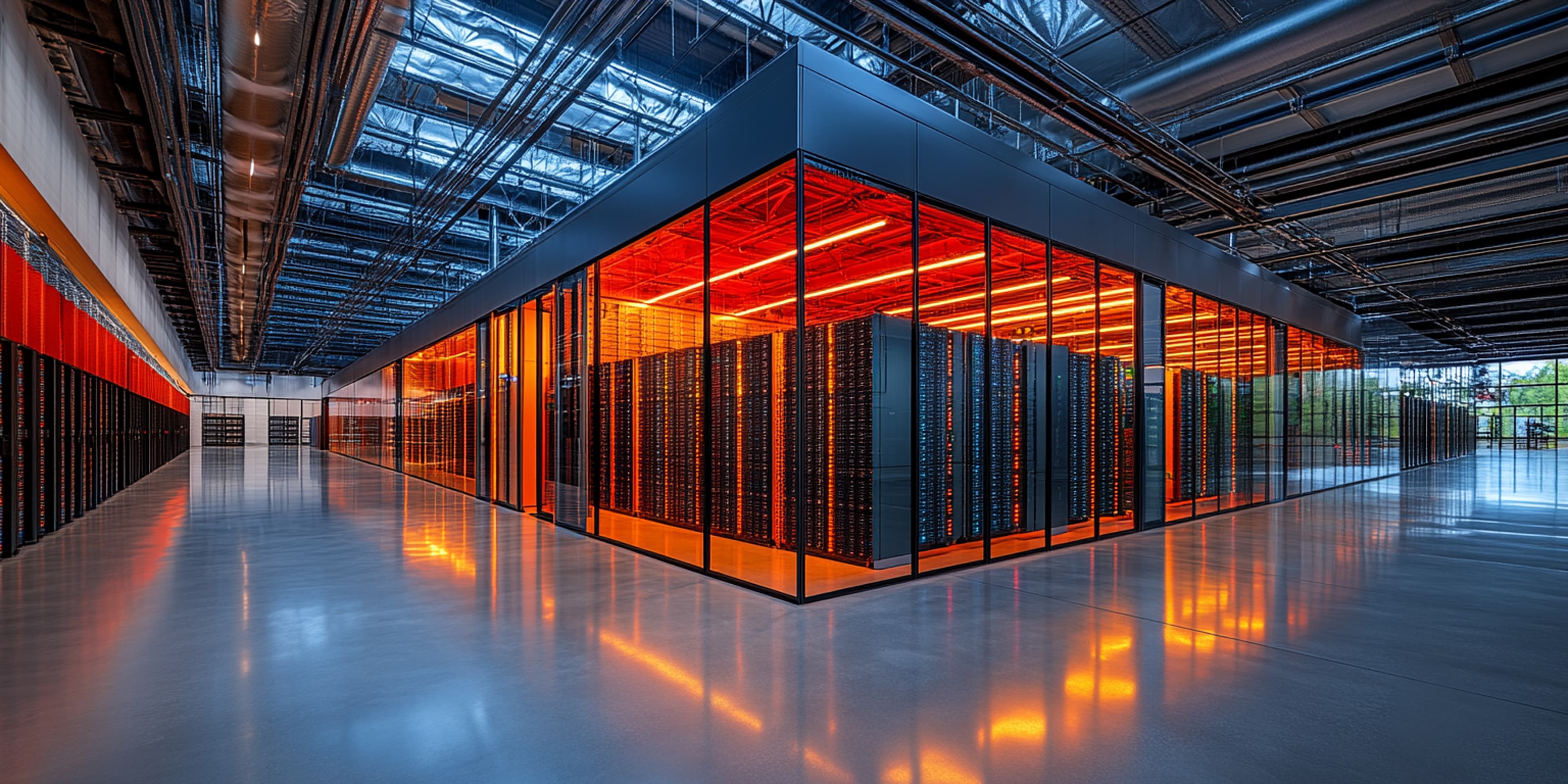
The Shift from Vacancy to Vitality
The global office market is in crisis. Remote and hybrid work models, coupled with economic uncertainty, have left millions of square feet of office space vacant. Once-thriving suburban office parks now sit half-empty, their parking lots overgrown and their value diminished.
At the same time, demand for digital infrastructure has never been higher. The explosive growth of artificial intelligence (AI), high-performance computing (HPC), and cloud-native applications has created a near-insatiable need for colocation capacity. Developers and investors are realizing that these two trends intersect perfectly.
In 2025, a new phenomenon is reshaping commercial real estate: the conversion of office parks into data center campuses. These transformations breathe new life into underutilized properties while providing the power, connectivity, and scale enterprises demand. The era of the cloud park has begun.
Why Office-to-Data Center Conversions Make Sense
Location Advantage
Office parks were often built near highways, population centers, and utility corridors. These same attributes make them ideal for data centers, offering low-latency connectivity and access to skilled workforces.
Existing Infrastructure
Office parks already have electrical connections, water access, and robust structural designs. While not immediately data center-ready, these features reduce the time and cost required to bring facilities online compared to greenfield builds.
Real Estate Economics
Vacant office properties have lost significant value, creating opportunities for investors to acquire assets at discounts. Converting them into high-demand data centers transforms liabilities into income-generating digital infrastructure.
The Conversion Process
Structural Reinforcement
While office buildings provide a shell, they must be retrofitted to handle heavy floor loads, raised floors, and rack installations. Developers reinforce slabs, upgrade ceilings, and redesign layouts to support dense IT equipment.
Power and Cooling Upgrades
Office buildings are designed for employees, not megawatts of IT load. Conversions require significant upgrades to power distribution systems, substations, and backup generation. Cooling infrastructure, often entirely new, must be added to support racks consuming 50–100 kW.
Connectivity Integration
Office parks may have fiber access, but conversions require carrier-neutral meet-me rooms and cloud interconnects. Developers invest in dense interconnection ecosystems to transform former office space into digital hubs.
Benefits for Enterprises and Operators
Speed to Market
Conversions can often be completed faster than ground-up builds. By reusing structures and existing utilities, developers bring facilities online in 12–24 months instead of 36–48.
Lower Capital Costs
Compared to buying raw land and starting from scratch, conversions leverage existing assets, reducing upfront CapEx. This makes them attractive to colocation providers and enterprises seeking cost efficiency.
ESG Advantages
Reusing office properties aligns with sustainability goals. By repurposing instead of demolishing and rebuilding, conversions minimize embodied carbon and reduce construction waste. This ESG story resonates with regulators, investors, and customers alike.
Market Examples of Office-to-Data Center Conversions
Northern Virginia
With land scarcity and power constraints, Northern Virginia has become a hub for conversions. Developers are retrofitting suburban office parks into multi-MW colocation sites, preserving location advantages while solving capacity shortages.
Dallas–Fort Worth
Suburban office vacancy in Texas has spurred multiple conversions. Proximity to robust power infrastructure makes Dallas office parks ideal for wholesale colocation campuses.
Silicon Valley
In markets where land costs are prohibitive, conversions are essential. Several aging office complexes in Santa Clara and Sunnyvale are being transformed into cloud parks serving hyperscaler tenants.
Europe and Asia
London and Tokyo, both facing urban land constraints, are experimenting with conversions. These projects illustrate how global office vacancy trends are feeding the demand for new colocation capacity.
Challenges in Conversion Projects
Zoning and Permitting
Office parks are not always zoned for industrial-scale power and cooling. Developers must navigate rezoning battles and community pushback, adding complexity to timelines.
Power Delivery
While office parks have baseline utilities, few are prepared for the multi-hundred-MW demands of AI and HPC. Significant utility partnerships and substation upgrades are required.
Design Constraints
Office structures may not perfectly align with data center needs. Developers face trade-offs in layout efficiency, limiting density compared to purpose-built campuses.
Why Conversions Appeal to Investors
Countering Vacancy Risk
For real estate investors, conversions offer a solution to collapsing office valuations. Redeveloping stranded assets into digital infrastructure provides long-term, stable returns.
Institutional-Grade Demand
Colocation leases, particularly wholesale agreements with hyperscalers, provide predictable, recurring revenue. This stability makes conversions attractive to pension funds, sovereign wealth funds, and infrastructure investors.
Portfolio Diversification
Investors looking to reduce exposure to volatile office markets see data centers as the logical evolution of their portfolios. Conversions allow them to leverage existing holdings while pivoting toward growth sectors.
Strategic Role of Conversions in 2025 and Beyond
Office-to-data center conversions are not just opportunistic projects—they are a structural shift in how real estate is used. As office vacancy persists and digital demand surges, more developers will look to repurpose suburban campuses into cloud-ready hubs.
For enterprises, these conversions expand options in markets where land and power are scarce. For investors, they provide a pathway to monetize stranded office assets. For communities, they offer revitalization and tax base growth.
The next decade will see hundreds of office parks reborn as cloud parks—the new foundation of the digital economy.