Monday, July 20, 2026
Google's Vernon Data Center Filing Confirms West Texas as an Emerging Hyperscale Corridor
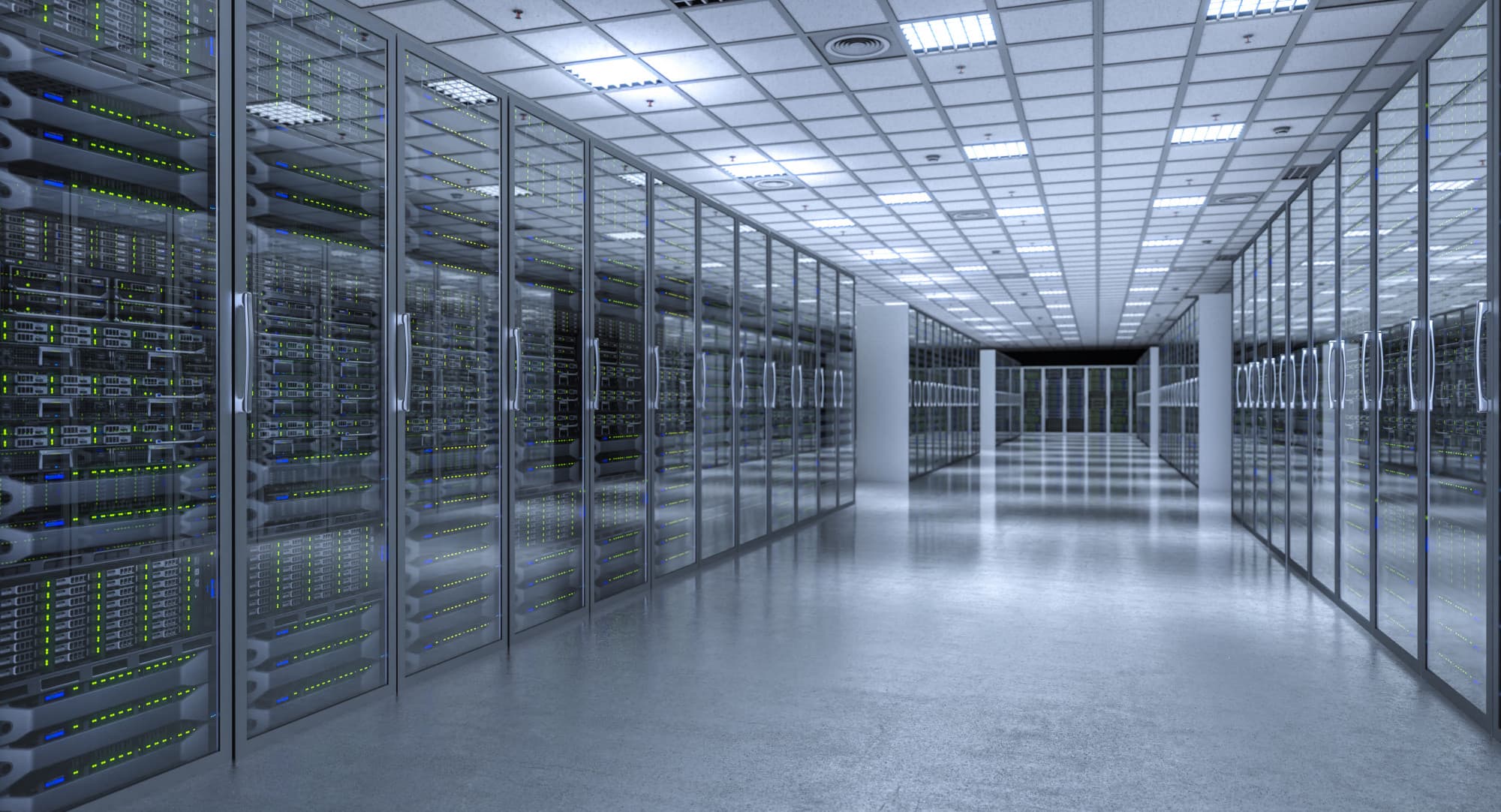
Google's plans to build two new data centers in Vernon, Texas, represent more than another hyperscale expansion. The project signals a broader change in where the industry's largest developments are taking shape. As demand for AI infrastructure continues to grow, developers are looking beyond established markets for locations that can support large campuses, long-term power needs, and future expansion.
For years, Dallas-Fort Worth dominated Texas data center development because of its network density, enterprise presence, and mature infrastructure. Those advantages remain, but today's site-selection priorities have expanded. The next generation of hyperscale campuses requires far more land and significantly more electrical capacity than previous generations of facilities.
That reality is opening new opportunities across Texas. Communities that can offer development-ready land, access to high-voltage transmission infrastructure, and predictable entitlement processes are attracting serious attention from institutional investors and hyperscale operators.
Google's Vernon project illustrates how those priorities are changing the real estate landscape. It also offers valuable insight into what developers now expect from emerging markets competing for large-scale data center investment.
West Texas is entering a new phase of development
West Texas is beginning to attract the type of projects once reserved for the state's largest metropolitan markets.
The region offers one advantage that has become increasingly difficult to find elsewhere: room to grow. Large contiguous land parcels provide developers with the flexibility to build multi-phase campuses capable of supporting expansion over many years instead of constructing facilities on isolated sites.
This scale has become increasingly valuable as AI infrastructure grows larger. Developers are no longer searching for land that accommodates a single building. They are planning campuses that can support multiple facilities, dedicated substations, cooling infrastructure, security setbacks, logistics operations, and future expansion without requiring additional land acquisitions.
Google's Vernon development reflects this long-term planning strategy. Rather than selecting a constrained urban location, the company chose a market capable of supporting sustained growth as infrastructure requirements continue to increase.
Power has become the first site-selection question
Reliable electrical capacity now drives many site-selection decisions.
Modern AI infrastructure requires substantially more power than traditional enterprise data centers. Delivering hundreds of megawatts to a single campus requires close coordination with utilities, transmission providers, and regional infrastructure planners long before construction begins.
Because electrical infrastructure often requires years to develop, access to power has become one of the earliest considerations in evaluating new sites. A property with available utility capacity may present fewer development risks than a location with stronger connectivity but uncertain power delivery.
That shift has also expanded the role of utilities during the development process. Electrical planning now begins alongside land acquisition, environmental reviews, and entitlement work rather than after a project has been approved.
For communities seeking hyperscale investment, demonstrating a realistic path to long-term power delivery can significantly improve their competitiveness.
Large development sites create long-term value
The definition of a desirable data center property has changed.
Institutional buyers increasingly seek sites that can support phased construction over ten or more years. Rather than acquiring additional parcels as demand grows, developers prefer controlling enough land from the beginning to accommodate future expansion.
Large campuses also simplify infrastructure planning. Substations, internal roadways, stormwater systems, security perimeters, and fiber routes can all be designed as part of a coordinated master plan instead of being added incrementally.
This approach reduces long-term construction complexity while allowing capacity to be delivered in phases that align with customer demand.
For landowners, this means acreage alone is no longer enough. Institutional buyers evaluate whether a property can function as a complete campus rather than simply whether it contains sufficient square footage.
Preparing sites before buyers arrive
Successful data center development begins long before a property enters the market.
Institutional investors expect detailed due diligence before committing significant capital. They want confidence that zoning supports the intended use, environmental conditions have been evaluated, utility service is realistic, transportation access is sufficient, and ownership issues have been resolved.
Properties marketed with incomplete information frequently require additional study before negotiations can progress. That uncertainty introduces delays and increases development risk.
Communities that prepare infrastructure studies, maintain current planning documents, and coordinate with utilities place themselves in a stronger position when opportunities arise. Likewise, landowners who assemble technical documentation before approaching the market often attract greater institutional interest.
Site readiness has become just as valuable as location itself.
Fiber and transportation still matter
Power may receive the greatest attention, but successful hyperscale developments depend on more than electricity.
Network connectivity remains essential for cloud platforms, AI workloads, and enterprise customers. Developers continue to evaluate access to diverse fiber routes, multiple carrier options, and opportunities to expand connectivity as campuses grow.
Transportation infrastructure also plays an important role. Construction of large campuses requires the movement of thousands of tons of equipment and materials over multiple years. Sites with efficient highway access can simplify logistics while reducing construction timelines and costs.
The strongest development opportunities combine these elements into a single location. Power, fiber, transportation, and land work together to create an environment capable of supporting long-term institutional investment.
Municipalities can shape the next wave of investment
Communities that want to attract hyperscale development need to think beyond available land.
Today's projects require close coordination between local governments, utilities, transportation agencies, emergency services, and economic development organizations. Developers look for municipalities that understand the permitting process, can coordinate infrastructure improvements, and provide a predictable path from site acquisition to construction.
Preparation also extends to zoning and long-term planning. Industrial land should be clearly designated, development regulations should be transparent, and infrastructure planning should anticipate future growth rather than respond after a project has been announced.
Equally important is community engagement. Large data center developments often generate questions about electricity demand, construction activity, tax incentives, and long-term economic impact. Addressing those discussions early helps establish realistic expectations while creating greater certainty for both developers and local stakeholders.
As more regions compete for hyperscale investment, preparedness will increasingly separate successful markets from those that remain on the sidelines.
Institutional buyers are evaluating markets differently
The growth of AI infrastructure has changed how institutional investors evaluate development opportunities.
Historically, proximity to major population centers and dense fiber networks carried significant weight during site selection. Those characteristics remain valuable, but they are now balanced against a broader set of requirements that include power availability, campus scalability, permitting timelines, and long-term operating flexibility.
Institutional capital is increasingly directed toward locations capable of supporting multiple phases of development rather than single-building projects. Investors recognize that controlling expandable campuses creates opportunities to meet future customer demand without restarting the site selection process.
This long-term perspective is encouraging developers to identify emerging markets before they become supply constrained. Rather than competing for the limited inventory available in established hubs, many are investing in regions where infrastructure can grow alongside demand.
West Texas represents one example of this strategy. Its combination of available land, expanding infrastructure, and long-term development potential aligns with the requirements of modern hyperscale projects.
Industrial land is finding a new purpose
The growing demand for AI infrastructure is creating new opportunities for industrial real estate.
Properties once considered suitable for manufacturing, logistics, or energy projects are now being evaluated for data center development. Large parcels with strong utility access and room for expansion offer characteristics that align well with hyperscale campus planning.
This trend is encouraging landowners to think differently about asset positioning. Rather than marketing acreage based solely on location or size, successful properties increasingly present a complete development story that includes infrastructure, entitlement readiness, utility coordination, and future scalability.
The result is a more sophisticated real estate market where preparation directly influences value.
Developers are no longer purchasing land simply because it is available. They are investing in sites that reduce project risk, shorten development timelines, and support long-term expansion.
West Texas is moving from opportunity to execution
Google's Vernon filing demonstrates that West Texas is no longer simply an emerging market. It is attracting the attention of organizations prepared to invest at hyperscale.
The region's appeal extends beyond lower land costs. Large development sites, expanding electrical infrastructure, favorable logistics, and opportunities for phased campus growth create conditions that align with the next generation of AI infrastructure projects.
For landowners, this represents an opportunity to position properties before competition intensifies. Preparing sites with verified infrastructure information, clear entitlement pathways, and realistic development plans will make them more attractive to institutional buyers evaluating future expansion.
Municipalities also have an opportunity to establish themselves as long-term infrastructure partners. Communities that invest in planning, coordinate with utilities, and create predictable development processes will be better positioned as additional projects enter the market.
Google's investment is unlikely to be viewed as an isolated transaction. It reflects broader changes in hyperscale site selection and highlights how the geography of data center development continues to expand across Texas.