Sunday, September 28, 2025
Inside the New Data Center Mega Campuses of 2025
The Evolution of Scale
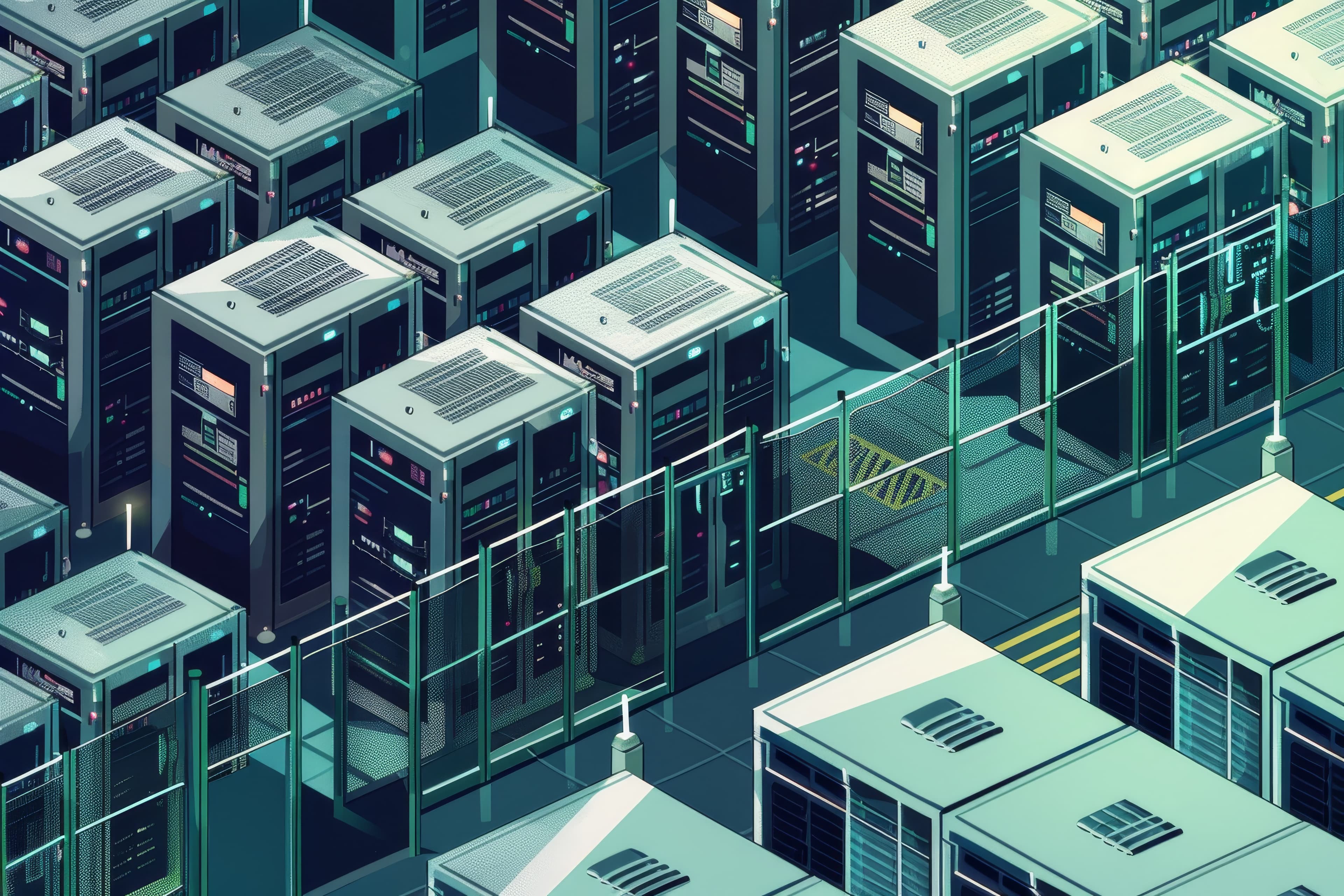
Data centers have always been about scale. From the first enterprise server rooms to the rise of hyperscale facilities, the industry has continuously expanded its capacity to meet growing digital demands. But in 2025, scale has taken on a new meaning. The industry has entered the era of the mega campus—multi-building, multi-hundred-MW developments that function less like single facilities and more like digital cities.
These mega campuses are designed to support the explosive growth of artificial intelligence (AI), high-performance computing (HPC), and sovereign cloud regions. Unlike traditional data centers, which may house dozens of megawatts, mega campuses routinely plan for 200–500 MW of capacity across multiple phases, with landholdings spanning hundreds of acres.
Inside these campuses, tenants are not just leasing racks or cages—they are building entire ecosystems. Hyperscalers anchor massive deployments, enterprises secure wholesale capacity, and interconnection providers create dense digital marketplaces. The result is the new backbone of the global digital economy.
What Defines a Mega Campus in 2025?
Scale Beyond a Single Facility
A mega campus is not a single building. It is a master-planned development, often with 8–12 data halls spread across multiple phases. Each phase can add 50–100 MW of capacity, allowing campuses to scale with demand.
Multi-Tenant Ecosystems
Mega campuses are designed to host hyperscalers, enterprises, and service providers side by side. This clustering effect creates dense ecosystems where cloud providers, carriers, and enterprises can interconnect seamlessly.
Integrated Infrastructure
From dedicated substations to on-site renewable energy and advanced liquid cooling systems, mega campuses integrate infrastructure at a scale smaller facilities cannot match. They are built not just for today’s workloads but for decades of expansion.
Why Mega Campuses Are Emerging Now
AI’s Power Demands
Training large language models and running GPU clusters require enormous power. A single AI training deployment can consume more electricity than a small city. Mega campuses are the only environments designed to aggregate this level of demand sustainably.
Land and Power Constraints in Traditional Hubs
Markets like Ashburn and Silicon Valley are running out of land and power. Mega campuses, often located in secondary or rural markets, provide the scale and utility partnerships necessary for multi-hundred-MW projects.
Investor Appetite
Sovereign wealth funds, infrastructure investors, and REITs are pouring billions into mega campus development. They view these projects as long-term, utility-like assets with stable returns and high barriers to entry.
Inside the Design of Mega Campuses
Dedicated Power Infrastructure
Mega campuses often build dedicated high-voltage substations to secure hundreds of MW directly from utilities. Some integrate on-site generation, including fuel cells and renewable microgrids, to reduce reliance on constrained grids.
Advanced Cooling Systems
With racks consuming 80–120 kW, mega campuses are engineered with direct-to-chip and immersion cooling as standard. These systems allow facilities to support AI workloads without exceeding water or energy sustainability limits.
Interconnection Ecosystems
Unlike standalone facilities, mega campuses include carrier hotels, cloud on-ramps, and internet exchanges within their footprint. This transforms them into digital marketplaces where enterprises, hyperscalers, and partners interconnect.
Security and Compliance
Mega campuses implement multi-layered security perimeters, from biometric access controls to 24/7 armed patrols. Compliance certifications (SOC 2, HIPAA, FedRAMP, PCI DSS) are baked into the design, ensuring tenants meet regulatory obligations.
Leading Examples of Mega Campuses in 2025
Northern Virginia’s Expanding Edge
Despite power constraints, developers in Northern Virginia continue to pursue mega campuses in Prince William and Fauquier counties. These projects secure long-term power contracts and leverage the region’s network density, reinforcing its role as the world’s largest cluster.
Dallas–Fort Worth Mega Developments
Texas’s business-friendly climate, abundant land, and renewable energy make it the leading region for mega campuses outside Virginia. Developers like Digital Realty, CyrusOne, and Compass Datacenters are rolling out 200+ MW master-planned sites designed to anchor the central U.S. digital economy.
Phoenix’s Desert Scale
Phoenix has rapidly evolved into a mega campus hub, with Microsoft, Google, and Meta all acquiring hundreds of acresfor phased developments. Tax incentives, renewable integration, and low disaster risk make it a critical West Coast alternative.
Hillsboro, Oregon
Powered by renewable hydro and backed by aggressive tax policies, Hillsboro has emerged as the West Coast’s green mega campus hub. Providers are marketing Hillsboro as the sustainable alternative for enterprises exiting California.
Economic and Social Impact of Mega Campuses
Local Economies
Mega campuses represent billions in construction investment, creating jobs across construction, utilities, and IT. While they are not as labor-intensive as factories, their impact on tax bases, schools, and local businesses is significant.
Utilities and Infrastructure
Mega campuses reshape regional infrastructure. Utilities invest in new substations and transmission lines, while governments upgrade roads and fiber networks to support campus growth.
Community Relations
The scale of mega campuses brings community scrutiny. Concerns about water use, noise, and visual impact must be addressed through transparent ESG reporting, community engagement, and sustainable design practices.
Why Enterprises Should Care
Access to Scale
Enterprises increasingly need access to infrastructure once reserved for hyperscalers. Mega campuses provide wholesale suites and bare metal options that allow enterprises to scale without building DIY data centers.
Cloud Adjacency
Mega campuses cluster hyperscalers and interconnection providers, ensuring enterprises colocating there gain low-latency access to multiple clouds.
Sustainability Alignment
Enterprises under ESG mandates can leverage mega campuses with renewable integration, heat reuse, and carbon-neutral commitments to meet investor and regulatory demands.
The Strategic Role of Mega Campuses in 2025 and Beyond
Mega campuses are more than just larger data centers—they are critical infrastructure ecosystems. They combine power, land, interconnection, and compliance into single developments capable of hosting the workloads of tomorrow.
In 2025 and beyond, enterprises that align with mega campus providers will gain access to the scale, resilience, and sustainability required to compete in the AI era. Those that remain tied to legacy facilities will face escalating costs, compliance gaps, and performance bottlenecks.