Tuesday, October 28, 2025
Land Banking for Digital Infrastructure: Why Strategic Parcels Are the Next Billion Asset Class
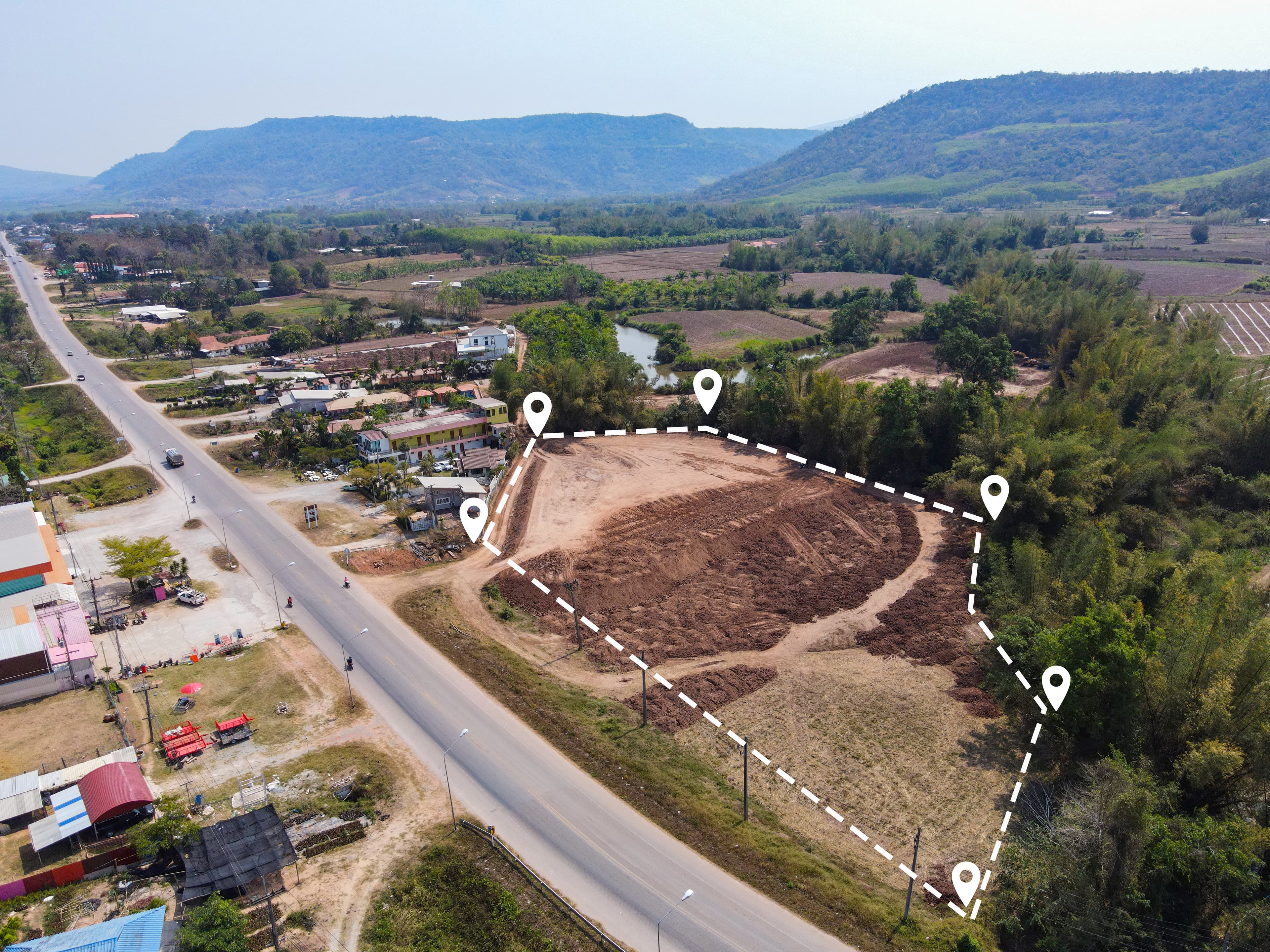
Real estate has always been about location, but in the digital economy, the rules are shifting. While retail, office, and industrial properties remain part of the landscape, one asset class is quietly redefining investment strategies worldwide: land for data centers. With cloud adoption accelerating, AI workloads exploding, and hyperscalers searching for scale, land banking is emerging as a billion-dollar opportunity in digital infrastructure.
Unlike traditional commercial properties, the value of data center land depends on unique factors: power availability, fiber connectivity, zoning approvals, water resources, and scalability potential. As more enterprises migrate workloads and hyperscalers plan for decades of growth, strategic land parcels are becoming the foundation of tomorrow’s digital economy.
This article explores why land banking for data centers is surging, what investors need to know, and how the right parcel can evolve into a world-class campus supporting colocation, wholesale, and cloud deployments.
Why Land Is Becoming the Most Valuable Digital Asset
For decades, data center investors focused on existing facilities. Acquiring colocation providers or wholesale campuses offered immediate returns, as tenants were already locked into contracts. But today, the conversation is shifting upstream: instead of buying what already exists, the most sophisticated investors are asking, “Where will the next wave of data centers be built?”
Rising Demand Outpaces Supply
Cloud growth and AI adoption have created unprecedented demand for compute. Hyperscalers are signing wholesale leases at record levels, and colocation providers are filling capacity faster than they can expand. In many Tier 1 markets, land scarcity has become the bottleneck. Buying raw land early is the only way to guarantee a seat at the digital infrastructure table.
Future-Proofing Investments
Unlike traditional real estate, data center land banking isn’t just about appreciation. Investors seek parcels with long-term scalability, where hundreds of megawatts can be developed over time. By banking these sites now, they ensure future expansion opportunities even as competition intensifies.
Geopolitical and Regional Dynamics
From Virginia’s “Data Center Alley” to emerging hubs in Africa and Latin America, governments are realizing that digital infrastructure attracts foreign investment. Incentives, tax breaks, and special economic zones are fueling new markets. Investors banking land today are positioning themselves for decades of geopolitical relevance.
What Makes a Parcel “Data Center Ready”?
Not every piece of land can support a data center. While size and location matter, the defining features are tied to infrastructure and regulations.
Power Availability
The single most critical factor is access to power. Data centers consume vast amounts of electricity, often measured in tens or hundreds of megawatts. Land with adjacency to substations, renewable projects, or transmission lines is instantly more valuable. In some cases, investors secure exclusive power agreements before building.
Fiber Connectivity
A data center without fiber is like a port without ships. Strategic parcels must be close to dark fiber routes, long-haul connectivity, or subsea landing stations. For hyperscalers and colocation providers, latency and redundancy are non-negotiable.
Zoning and Permitting
Local governments can accelerate or block development. Parcels already zoned for industrial or technology use save years of red tape. In some markets, zoning battles have delayed or killed billion-dollar projects, making pre-approved land a premium asset.
Water and Cooling Resources
As AI workloads grow, cooling demands intensify. Parcels near reliable water resources — or in regions supportive of advanced cooling technologies — are more attractive. Sustainability also plays a role, as hyperscalers demand green-friendly designs.
Scalability
The best land isn’t just about a single data center. Investors seek parcels with the ability to expand into multi-building campuses, where capacity can grow alongside market demand.
Global Hotspots for Data Center Land Banking
Northern Virginia: The Epicenter of Demand
No discussion of land banking is complete without Northern Virginia, home to the largest concentration of data centers in the world. But even here, land scarcity and community resistance are forcing investors to secure parcels further afield. Prices have surged, and only well-capitalized players can compete.
Middle East and Saudi Arabia
As highlighted in Saudi Arabia’s $10B masterplan, the Middle East is a rising hub. Investors are eyeing Riyadh, Jeddah, and NEOM for long-term land plays, where government incentives and hyperscale demand converge.
Africa’s Untapped Potential
Markets like Kenya, Nigeria, and South Africa are attracting attention. Land with proximity to subsea cables is particularly valuable, as international connectivity becomes the catalyst for growth.
Latin America’s Growth Story
Mexico, Chile, and Brazil are all seeing hyperscaler expansion. Investors banking land near renewable power plants and fiber routes will have a first-mover advantage as cloud adoption accelerates.
The Role of Real Estate Funds and REITs
Institutional investors are increasingly active in the data center land space. Real Estate Investment Trusts (REITs) and infrastructure funds are dedicating billions to acquire strategic parcels. This isn’t speculation — it’s part of a long-term strategy to control the supply chain of digital infrastructure.
For these funds, land banking offers multiple benefits:
- Control over development pipeline
- Leverage in partnerships with hyperscalers
- Flexibility to build colocation, wholesale, or mixed-use campuses
- Appreciation of land value as markets mature
As more investors enter the space, the competition for “data center ready” parcels will only intensify.
Colocation, Wholesale, and Hyperscale Impact
Colocation Growth
For colocation providers, pre-banked land means the ability to deliver modular expansions quickly. Enterprises want scalable footprints, and pre-zoned land accelerates deployment timelines.
Wholesale Leases
Wholesale tenants, especially hyperscalers, demand certainty. They prefer developers with land secured, power reserved, and permits in place. Land banking directly feeds into wholesale leasing strategies.
Hyperscaler Expansion
The largest cloud providers often partner with investors to co-develop campuses. By banking land, investors become essential partners in hyperscaler expansion, enabling build-to-suit or joint ventures.
Risks of Land Banking for Data Centers
While the opportunity is clear, risks exist:
- Regulatory Changes – Governments may alter zoning, taxes, or sustainability requirements.
- Market Timing – Land value may not appreciate if demand shifts to another region.
- Community Opposition – Data center construction can spark pushback over energy use, water, and aesthetics.
- Capital Lock-Up – Land banking ties up capital for years before facilities generate revenue.
Sophisticated investors mitigate these risks through diversification, long-term partnerships, and detailed due diligence.
The Long-Term Outlook: Land as the New Oil
In the 20th century, oil defined geopolitics and wealth. In the 21st, land for digital infrastructure may play a similar role. Whoever controls the most strategic parcels controls the ability to build the next generation of digital infrastructure.
For enterprises, this means faster access to colocation and wholesale capacity. For investors, it means exposure to one of the most resilient asset classes in the global economy. And for governments, it means attracting the hyperscalers, cloud providers, and AI companies driving the digital revolution.