Friday, October 2, 2026
Not Every Acre of a Data Center Campus Is Meant for a Data Center
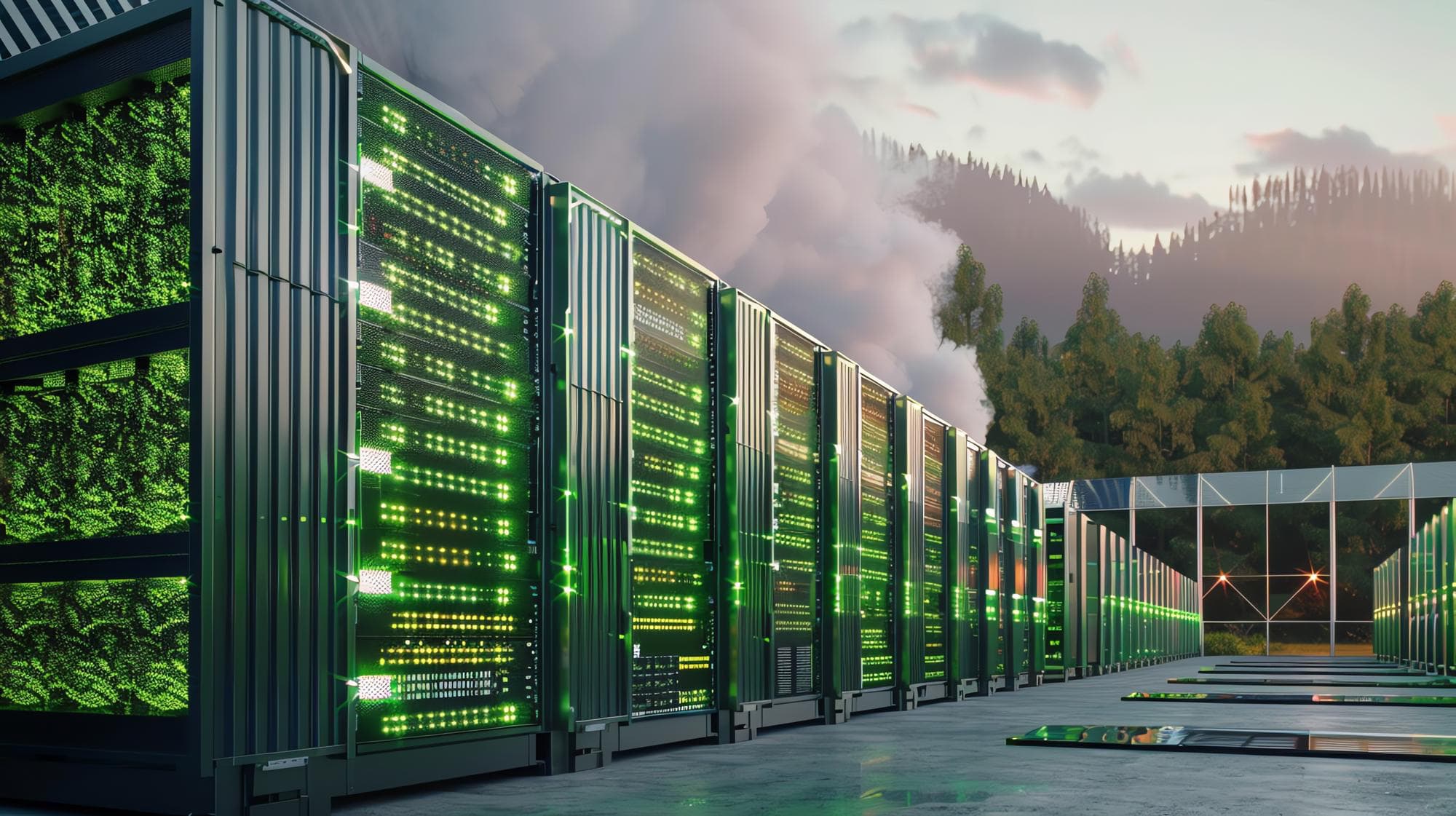
How large-scale campus planning is changing the way developers think about land control, development footprints, and long-term flexibility
The acreage associated with a major data center campus can create a misleading first impression. When a project involves hundreds or even thousands of acres, it is easy to assume that most of the property will eventually be covered by data center buildings. In practice, the physical data center footprint can represent only one component of a much larger real estate strategy.
A recent Texas transaction illustrates the distinction. A long-term ground lease covers approximately 4,077 acres, yet only 200 to 800 acres may ultimately be designated for data center facilities and related infrastructure. At least 1,800 additional acres are designated for supporting energy uses and related infrastructure, while the remaining property provides flexibility for other permitted uses and future campus requirements.
The transaction offers a useful example of how large-scale data center real estate is evolving. Developers increasingly need to think beyond the acreage required for the first buildings and consider the broader land position needed to support infrastructure, future phases, operational separation, access, and long-term flexibility. As campuses become larger and more complex, gross acreage and the immediate data center development footprint are becoming two very different measurements.
A Data Center Campus Is More Than Its Buildings
Traditional commercial development often measures land efficiency according to how much revenue-producing space can be constructed on a property. Data center campuses require a different approach because the buildings operate within a much larger system of supporting infrastructure. The land required to make the campus functional can extend well beyond the footprint occupied by the data halls themselves.
Electrical equipment, substations, utility corridors, mechanical systems, internal roads, security areas, stormwater infrastructure, construction staging, water systems, setbacks, and future expansion can all require significant space. The exact configuration varies considerably by project, but the broader principle is increasingly important: land that does not contain a data center building can still perform an essential role in the campus.
This changes how acreage should be evaluated. A parcel should not necessarily be considered underutilized simply because only part of it contains vertical development. In a large data center project, the value of certain acreage may come from what it enables elsewhere on the property rather than from what is constructed directly on it.
Gross Acreage and Data Center Acreage Are Different Numbers
The distinction becomes especially important when evaluating very large campus announcements. Total site acreage describes the amount of land controlled by the developer, but it does not necessarily indicate how much land will become the physical data center footprint. Without understanding the planned allocation of the property, the headline acreage provides only a partial picture.
The recent Texas transaction makes that distinction particularly visible. The agreement allows between 200 and 800 acres of a roughly 4,077-acre property to be designated for data center facilities and related infrastructure. A much larger portion of the property is allocated to supporting infrastructure, while additional acreage remains available for other permitted uses.
From a real estate perspective, that structure demonstrates why the purpose of each portion of a campus matters. Some acreage may support buildings, while other areas provide infrastructure capacity, operational flexibility, separation between uses, or space for later phases. Evaluating the property therefore requires understanding the role of the entire land position rather than applying a single development assumption to every acre.
Land Control Can Be Broader Than the Initial Development Footprint
Controlling more land than is required for the first phase can provide important strategic advantages. Large data center developments can evolve over many years, and the configuration required for later phases may not be fully known when the original real estate transaction is completed. Maintaining control over surrounding property can preserve options as customer requirements, infrastructure plans, and campus designs develop.
This flexibility can be particularly important when future buildings require different layouts or supporting systems from those used in the initial phase. Changes in rack density, cooling architecture, electrical design, construction methods, and customer requirements can all influence how later portions of a campus are developed. A constrained site may leave little room to respond to those changes.
A larger controlled footprint can therefore function as long-term optionality. The objective is not necessarily to build on every acre but to avoid creating a situation in which the future campus is limited by real estate decisions made during its earliest phase.
Supporting Infrastructure Has Its Own Real Estate Requirements
One of the reasons modern campuses can require substantial acreage is that supporting infrastructure increasingly has a physical footprint of its own. A large-scale project may need land for electrical systems, water infrastructure, utility corridors, stormwater management, security, internal circulation, and other facilities that enable the data center buildings to operate.
These requirements can influence the overall site plan from the beginning. Infrastructure cannot always be placed wherever unused acreage happens to remain after the buildings are designed. Easements, setbacks, environmental conditions, topography, access requirements, utility routes, and engineering constraints can determine where supporting systems need to be located.
As a result, campus planning increasingly involves allocating land according to function rather than simply maximizing building coverage. The most effective site plan may intentionally reserve substantial areas for uses that support the broader campus without directly containing computing space.
The Value of an Acre Depends on the Role It Plays
Not every acre within a data center campus performs the same economic function. Land supporting a data center building may have one value proposition, while land used for infrastructure, access, setbacks, or future development may contribute to the project in a different way. Treating every acre as interchangeable can therefore obscure how the property actually creates value.
This distinction can influence both acquisition strategy and valuation. A developer evaluating a large property needs to understand which areas are suitable for vertical development, which are required for supporting systems, and which provide longer-term strategic flexibility. Physical constraints can also make portions of a site more or less useful for particular functions.
The result is a more sophisticated approach to acreage. Rather than asking only how much land a project controls, the more meaningful question is how that land is allocated and what each portion enables within the overall development plan.
Buffers and Setbacks Can Be Strategic Real Estate
Some of the most valuable acreage on a campus may remain largely undeveloped. Land can provide physical separation between operational areas and neighboring properties, accommodate setbacks, preserve landscaping, support security planning, or create distance between different components of the development.
These areas can also influence the relationship between a project and its surroundings. Thoughtful buffers can help create transitions between intensive development and adjacent land uses while giving the campus additional control over its immediate environment. In some locations, that separation can become an important part of the long-term site plan.
This means undeveloped acreage should not automatically be interpreted as excess land. When incorporated intentionally into campus planning, it can perform a defined real estate function and contribute to the durability of the overall development.
Internal Circulation Requires More Space as Campuses Grow
Large data center campuses also create transportation and logistics requirements that are easy to underestimate when considering acreage. Construction vehicles, equipment deliveries, employee access, emergency services, security checkpoints, maintenance operations, and internal circulation all need to move through the property without interfering with critical operations.
These requirements become more complex as a project expands across multiple buildings and development phases. Internal roads may need to connect separate areas of the campus while maintaining controlled access and allowing future construction to continue alongside operating facilities. Construction staging areas may also need to move as new phases are developed.
Land allocated to circulation and logistics may never produce direct revenue, but it can determine how efficiently the campus functions and expands. For that reason, transportation planning is not separate from the real estate strategy; it is one of the factors that determines how much land the development actually requires.
Future Expansion Needs to Be Planned Before It Is Needed
A data center campus can take years to reach full buildout, which means real estate decisions made at the beginning can affect development options far into the future. If the initial phase consumes the most strategically important portions of a site without considering future requirements, later expansion can become unnecessarily complicated or expensive.
Preserving expansion areas allows developers to sequence growth more deliberately. Future buildings can be positioned around infrastructure improvements, customer requirements, and operational considerations rather than being forced into whatever land remains available. The ability to reserve corridors for future utilities and access can be equally important.
This is another reason a large land position should not be judged solely according to current construction activity. Some acreage may have little immediate role but significant future value because it preserves a development pathway that would otherwise be difficult to recreate.
Controlling Neighboring Land Can Protect Long-Term Flexibility
Surrounding land can become strategically important even when there is no immediate plan to develop it. If neighboring parcels remain outside the campus, future uses on those properties can influence access, expansion, security, setbacks, infrastructure routes, and the overall development environment.
Controlling a broader footprint can reduce some of that uncertainty. It can preserve future options while allowing the developer to coordinate land uses across a larger area. This is particularly relevant for projects expected to evolve through multiple phases over an extended period.
The strategy does not require every controlled acre to become part of the eventual data center footprint. The value can come from maintaining the ability to decide how that land is used as the campus develops.
Ground Leases Can Support Phased Land Strategies
Large land requirements also raise an important question about ownership. Acquiring thousands of acres outright can require substantial capital long before every portion of the property has a defined development schedule. Ground leases can provide an alternative structure by allowing a developer to secure long-term control while aligning certain real estate commitments with the pace of development.
The recent Texas transaction demonstrates this approach. The agreement has an initial term of 30 years with two additional 10-year extension options, while base rent for individual site areas begins when construction starts on those areas. The structure also includes an option to purchase the portion designated for data center development.
From a real estate perspective, this creates a distinction between land that needs to be controlled and land that ultimately needs to be owned. Long-term control can protect the broader campus strategy, while purchase rights can preserve the opportunity to acquire the core development area if the project progresses as planned.
Land Costs Can Be Aligned With Development Phases
Phased campus development creates a challenge because real estate commitments often occur before every part of the property is ready for construction. If carrying costs apply equally across an entire site from the beginning, a developer may be paying for large areas years before those areas contribute directly to the project.
Transaction structures can help address that mismatch. When land costs are connected to construction milestones or specific development areas, the economics of the real estate can more closely reflect the pace at which the campus is being developed. This can be particularly relevant for projects where full buildout may occur over many years.
For property owners, these structures can also create a long-duration relationship with the developer rather than a single conventional land sale. The negotiation therefore needs to consider not only headline acreage and pricing but also timing, development obligations, extension rights, purchase options, and how different portions of the property may be used over time.
Campus Planning Can Influence the Transaction Structure
The physical design of a campus and the structure of the real estate transaction are increasingly interconnected. When a property contains several functional areas, the agreement may need to distinguish between the land used for data center development, supporting infrastructure, future expansion, and other campus requirements.
That can affect how leases are structured, when rent begins, which portions can be purchased, and what rights apply to undeveloped areas. The real estate agreement becomes more than a mechanism for gaining possession of the land; it can become a framework for how the campus evolves.
This is particularly important for large developments where the final configuration may change over time. Flexibility within the transaction can allow the real estate strategy to evolve alongside engineering, customer, and infrastructure decisions without requiring the developer to renegotiate the entire land position at each stage.
Due Diligence Must Look Beyond Buildable Acreage
Traditional site evaluation often emphasizes how much of a property can support construction. For a large data center campus, that remains essential, but it is only one part of the analysis. Developers also need to understand whether the property can accommodate all of the systems and functions required around the buildings.
A comprehensive evaluation may therefore include questions about utility corridors, water access, drainage, road networks, environmental constraints, setbacks, security requirements, neighboring uses, easements, and future expansion areas. The objective is to determine whether the entire property can function as a campus rather than simply whether a building can fit on a particular parcel.
This broader perspective can prevent a common real estate mistake: identifying enough acreage for the initial structures without securing enough land to support everything those structures require. A technically buildable site is not necessarily a well-planned campus.
Large Acreage Can Create Flexibility Without Requiring Immediate Buildout
The strategic value of a large site often lies in the options it preserves. A developer may not know at closing exactly how every portion of the property will be used, particularly when a project is expected to develop over a long period. Maintaining flexibility can therefore be more valuable than assigning every acre a permanent function at the beginning.
This approach also allows the campus to respond to changes that are difficult to predict during the initial transaction. Customer requirements may evolve, technology may change, infrastructure plans may be revised, and later phases may require different configurations. A larger controlled footprint gives the project more room to accommodate those changes.
From a real estate standpoint, that makes optionality a tangible site characteristic. The ability to change the future plan without acquiring additional neighboring property can have significant strategic value even if portions of the site remain undeveloped for years.
A Better Way to Evaluate Large Data Center Sites
As campus sizes increase, acreage should be evaluated according to function rather than headline scale. A 1,000-acre property with severe physical constraints may offer less usable flexibility than a smaller site with an efficient configuration, strong infrastructure pathways, and sufficient room for expansion.
The same principle applies within an individual campus. The acreage supporting buildings should be considered alongside the land required for infrastructure, circulation, buffers, water systems, future phases, and other operational needs. Each component contributes differently to the development strategy.
For buyers and sellers, understanding those distinctions can lead to more informed real estate decisions. Sellers can better understand why a developer may be interested in portions of a property that appear unrelated to the initial building plan, while buyers can evaluate whether the broader land position provides enough flexibility to support the full life of the project.
The Most Valuable Acreage May Be the Land That Preserves Options
Large data center campuses are changing the way acreage needs to be understood. The total land controlled by a developer may be significantly larger than the portion ultimately occupied by data center buildings, but that does not make the remaining property unnecessary. Supporting infrastructure, access, buffers, future expansion, utility corridors, water systems, and long-term flexibility can all require land of their own.
The recent 4,077-acre Texas ground lease provides a clear example. Only a portion of the property is designated for data center facilities and related infrastructure, while substantial additional acreage supports other elements of the broader campus strategy. The structure demonstrates that the value of a large land position can come from the combination of uses it enables rather than from maximizing building coverage across every acre.
For property owners and developers, this changes the real estate conversation. Evaluating a data center site increasingly requires understanding not only how much land can be developed today but also how much control is necessary to support the campus over its full development horizon.
As data center projects continue to increase in scale and complexity, the most strategic acreage may not always be the land beneath the buildings. It may be the land that gives those buildings, and the campus around them, room to evolve.